Hi, I'mJoshua Mangas

Applications · Automation · AI governance

I've spent twenty years in education, as a senior leader, a trainer of governors and the chair of a governing board, and I build the technology governance work needs.

I founded SGAF (opens in a new tab), the governance platform for UK schools and academy trusts, and I design, build and run production web and mobile apps with a team of AI agents built specifically to be held to the same governance standards I teach. My work sits where the two meet: software shaped by someone who has sat in the meeting, and AI put to work on the problems schools have, not on demos.

On this page you'll see how I do it, and the process behind it.

Joshua Mangas

What I do

Applications, automation and the governance around them

Four areas I lead. Each links to work you can open, and the evidence page has the rest.

Selected work

Things I have built

Eight featured here. The full index adds case studies and notes, from a health coaching loop to a Raspberry Pi wired to an agent, each with the problem, what I built and the result.

Product

Live

SGAF

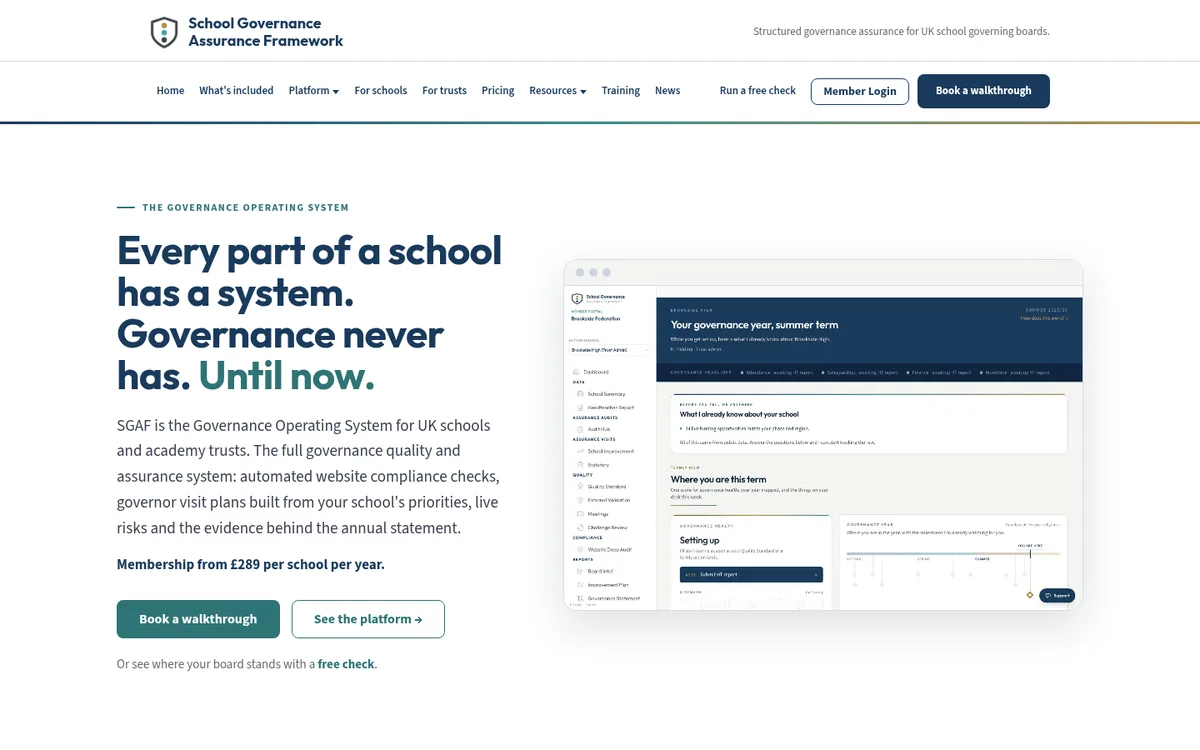
Governance assurance for UK schools and academy trusts. Audits, risks, visit plans and the annual statement on one connected record, so the board does the governance once and the evidence is created as it goes. More than 500 schools have used its free tools.

  • Next.js
  • TypeScript
  • PostgreSQL
  • Supabase
  • Vercel

Public data

Live

School Intel

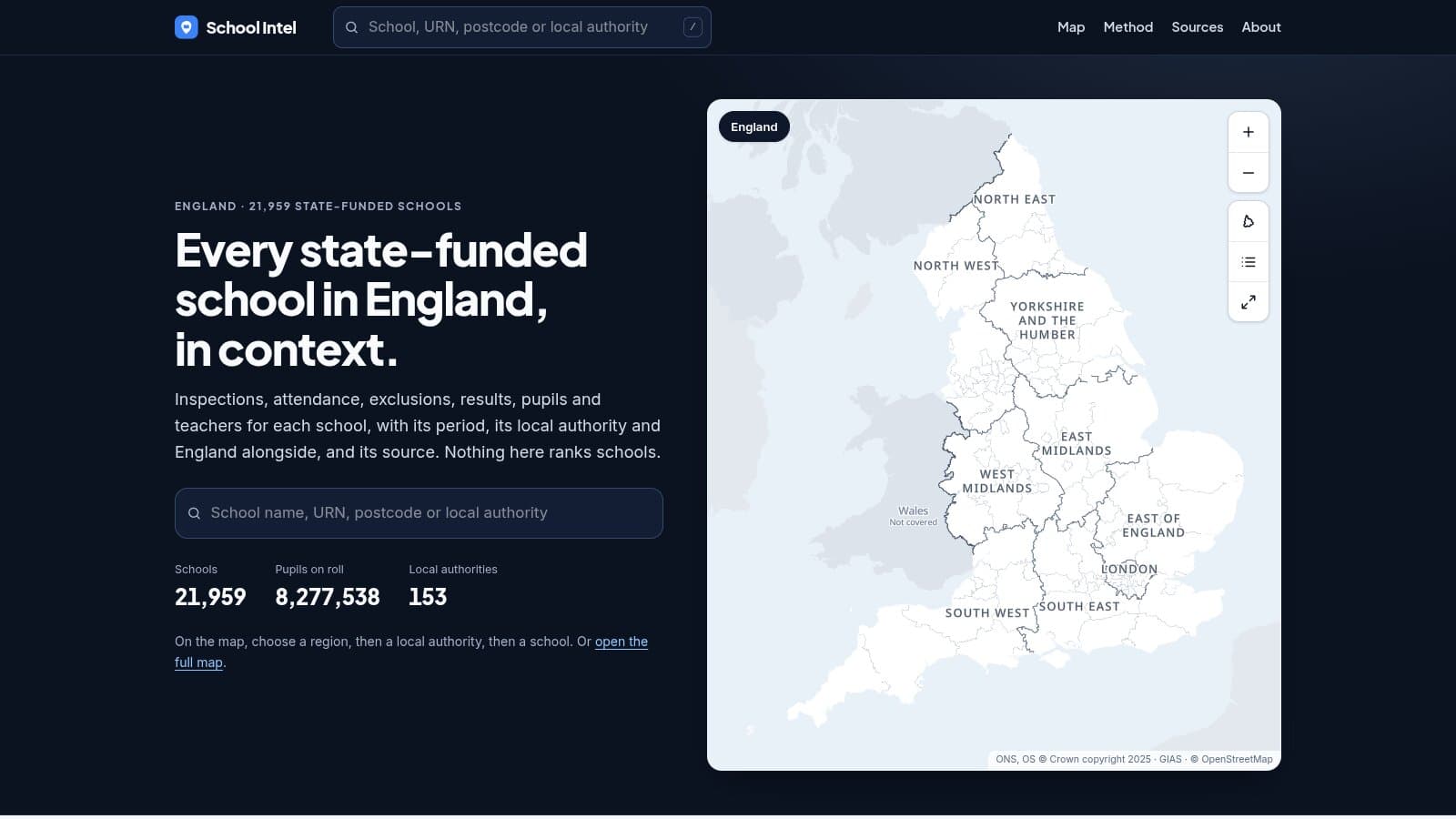
Every state-funded school in England, in context: inspections, attendance, results, pupils and teachers beside the local authority and England, rebuilt and checked every week, on a map that works from the whole country down to a street. Nothing on it ranks a school.

  • Next.js
  • MapLibre
  • Open data
  • Weekly checks

Product demos

In use

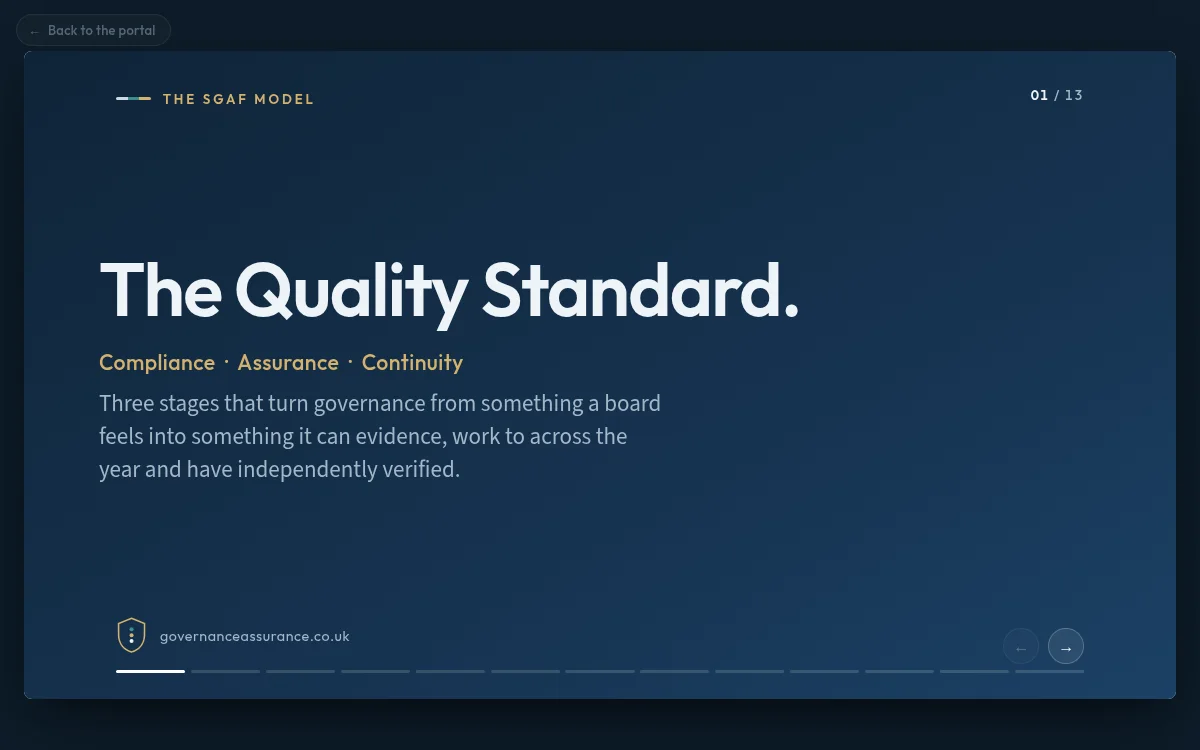
Session decks

A bespoke HTML presentation for each client meeting, served from the SGAF portal itself, so a demonstration moves between the argument and the live product without changing windows.

  • HTML
  • Keyboard and clicker
  • Print to PDF
  • Served in the product
YOUFRONTDOORSCOUTOUTREACHSUPPORTPRODUCTCONTENTLEDGERGATESPREPARE · CHECK · RETURN · A PERSON DECIDES

Operation

Running

The agent team

Around forty-five single-purpose agents behind one front door, running radar, outreach, meeting prep, support, product, content, data quality and finance. None of them send, spend or delete.

  • Front door
  • Specialists
  • Shared memory
  • Routines
  • Draft-only

Tooling

Live

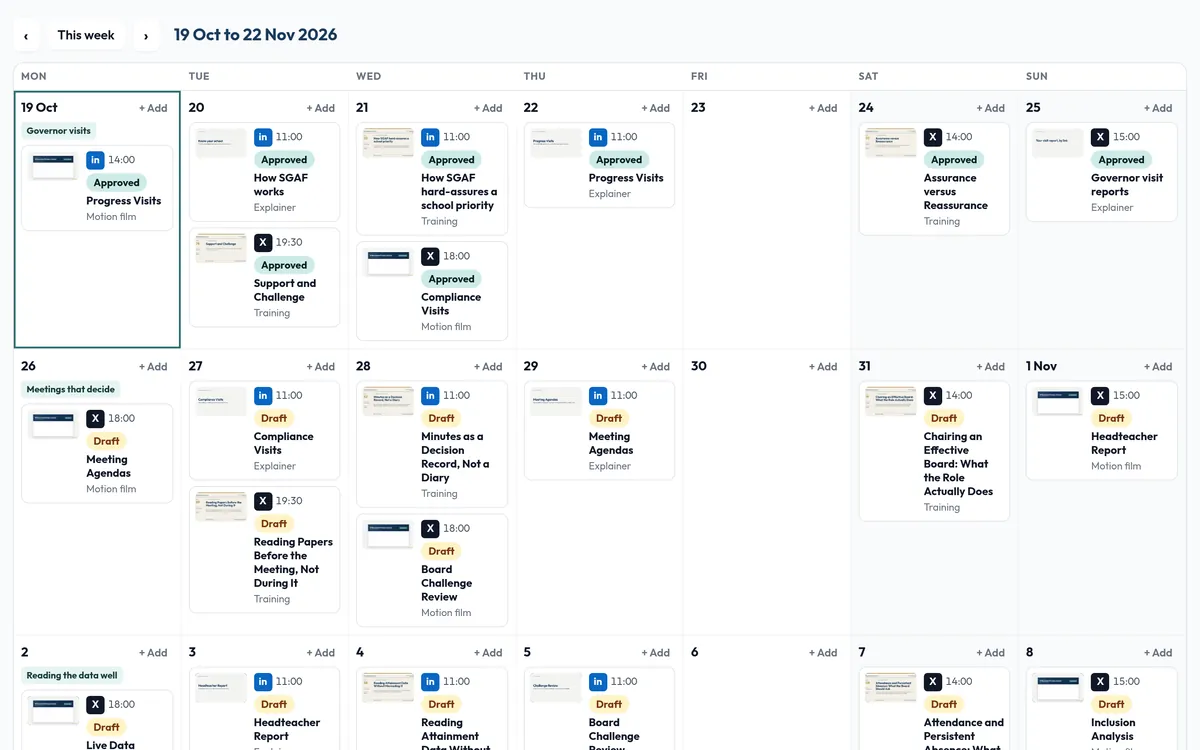
Social, inside the CRM

My own scheduler, built where the product facts and the content catalogue already live, so posts know what the business knows. Fingerprinted approvals, a brand gate on every draft, and a dry-run week before anything goes live.

  • CRM
  • Brand gate
  • Fingerprinted approval
  • Cron
  • X and LinkedIn

Play, then product

App Store

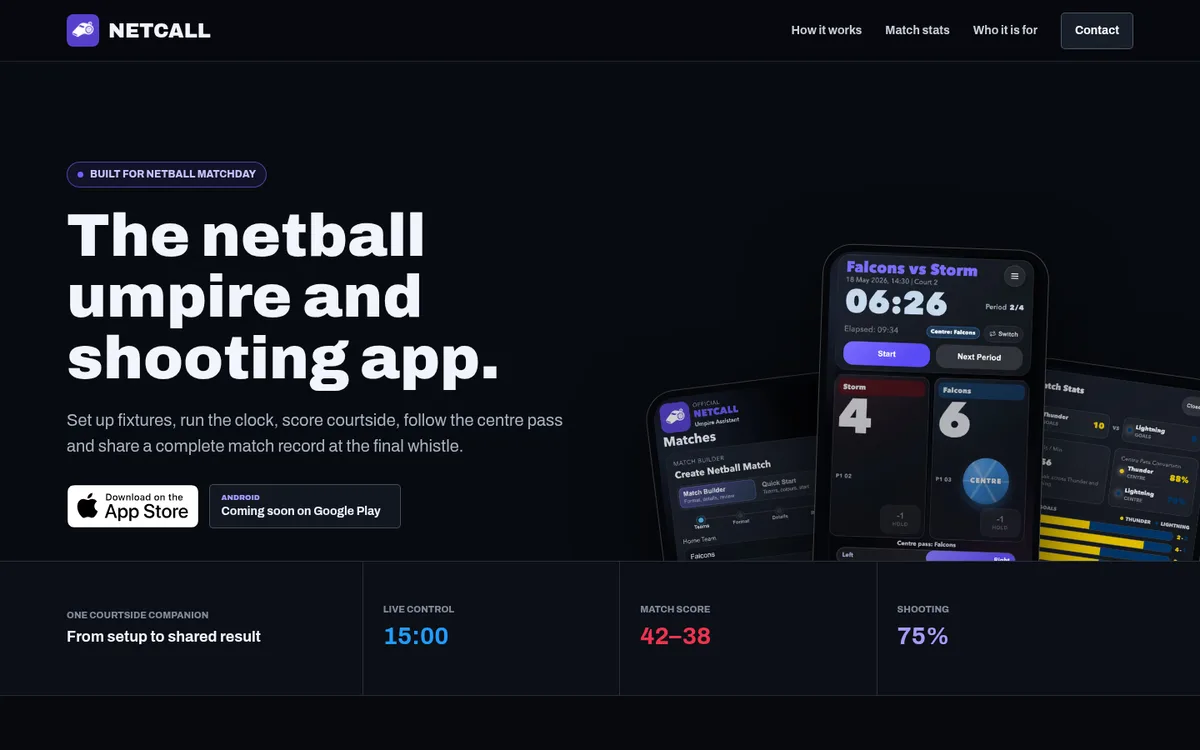
NetCall

Courtside netball scoring, built for my wife, who umpires netball. Prepare the match, score live, track the centre pass, share a clean result at the final whistle. Native, because the job happens standing up in bad light.

  • SwiftUI
  • iOS
  • Android beta

Play

Live

Free-SchoolAI

A free prompt library for school staff, early years to sixth form and the board. Fill in your school once, copy the prompt, run it on a machine you control, and a person still owns the draft. The flag that marks a record as never for a public chat started here.

  • Prompts
  • Markdown
  • CC BY 4.0
  • Local models

Play

Live

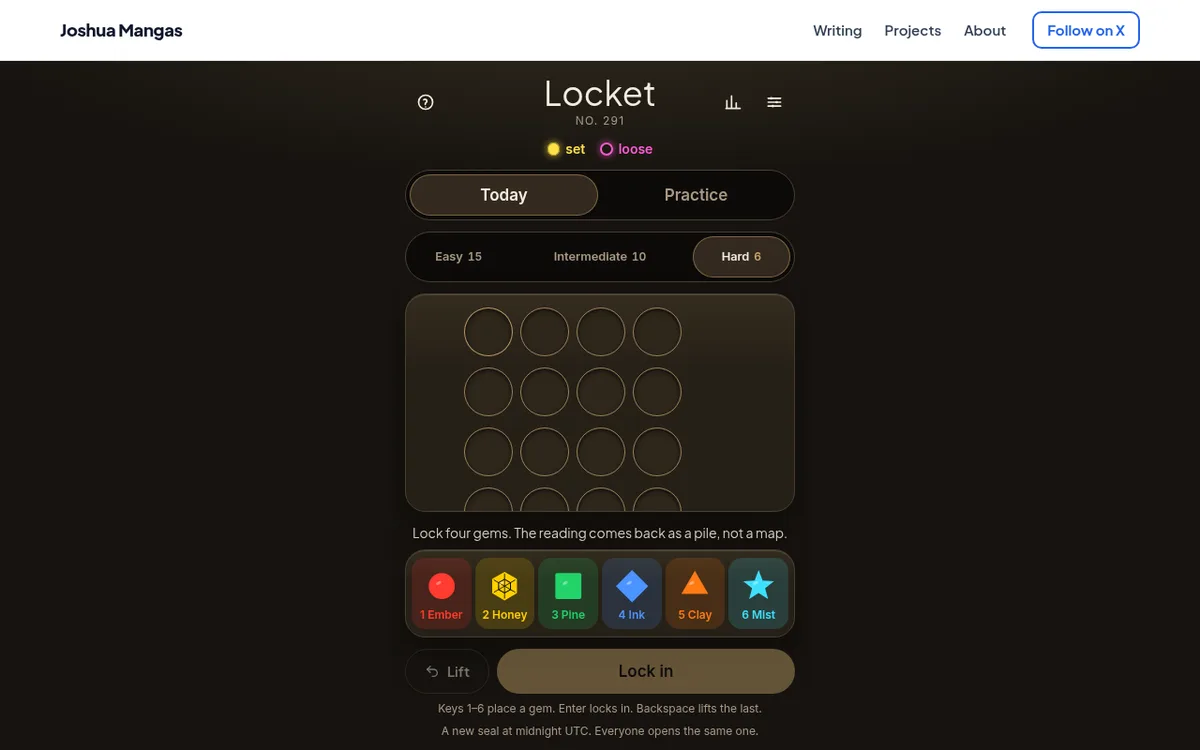
Locket

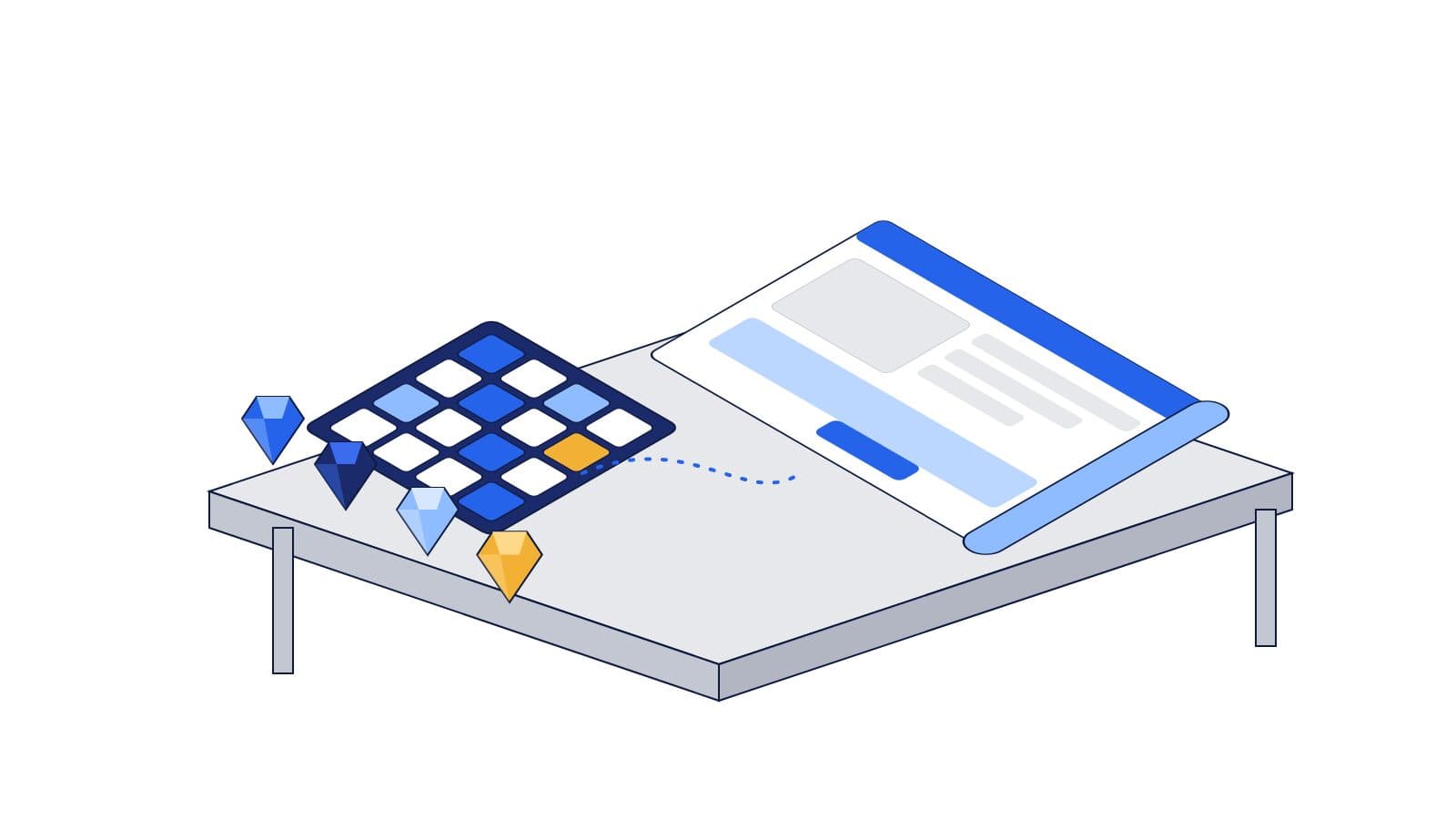
A daily puzzle. Four gems, a reading that counts set and loose, a new seal at midnight. No account and no server. It stays on your device, which is exactly what I wanted to learn how to ship.

  • Next.js
  • Local only
  • Daily seed

Publishing

Live

This site

Markdown posts, a static build, social cards generated per post, an RSS feed my agents can read, and a copy button that turns any post into an article for X or LinkedIn.

  • Next.js 16
  • Markdown
  • RSS
  • Open Graph

Writing

Notes from the build

In the order to read them. Each one stands alone and republishes as an article on X or LinkedIn with one copy button.

  1. Start-up energy, inside a grown-up company

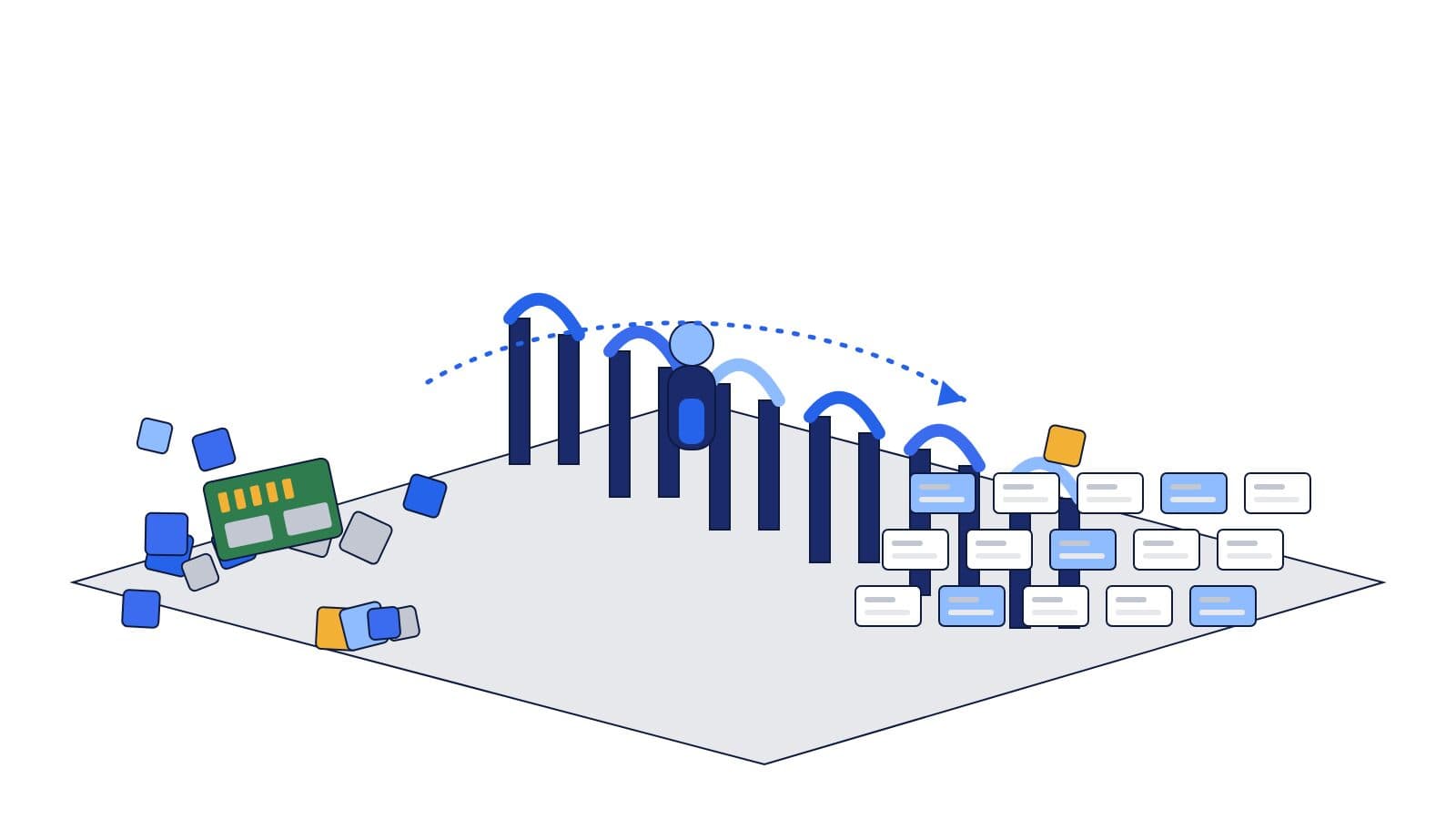
    Notes from a demonstration I gave to a successful edtech company: how a fully autonomous operation actually runs, why a new company can work this way from day one, why an established one has to manage it as change under board pressure, and why the answer is a place to play.

  2. One person, a team of agents, and a market that prices in headcount

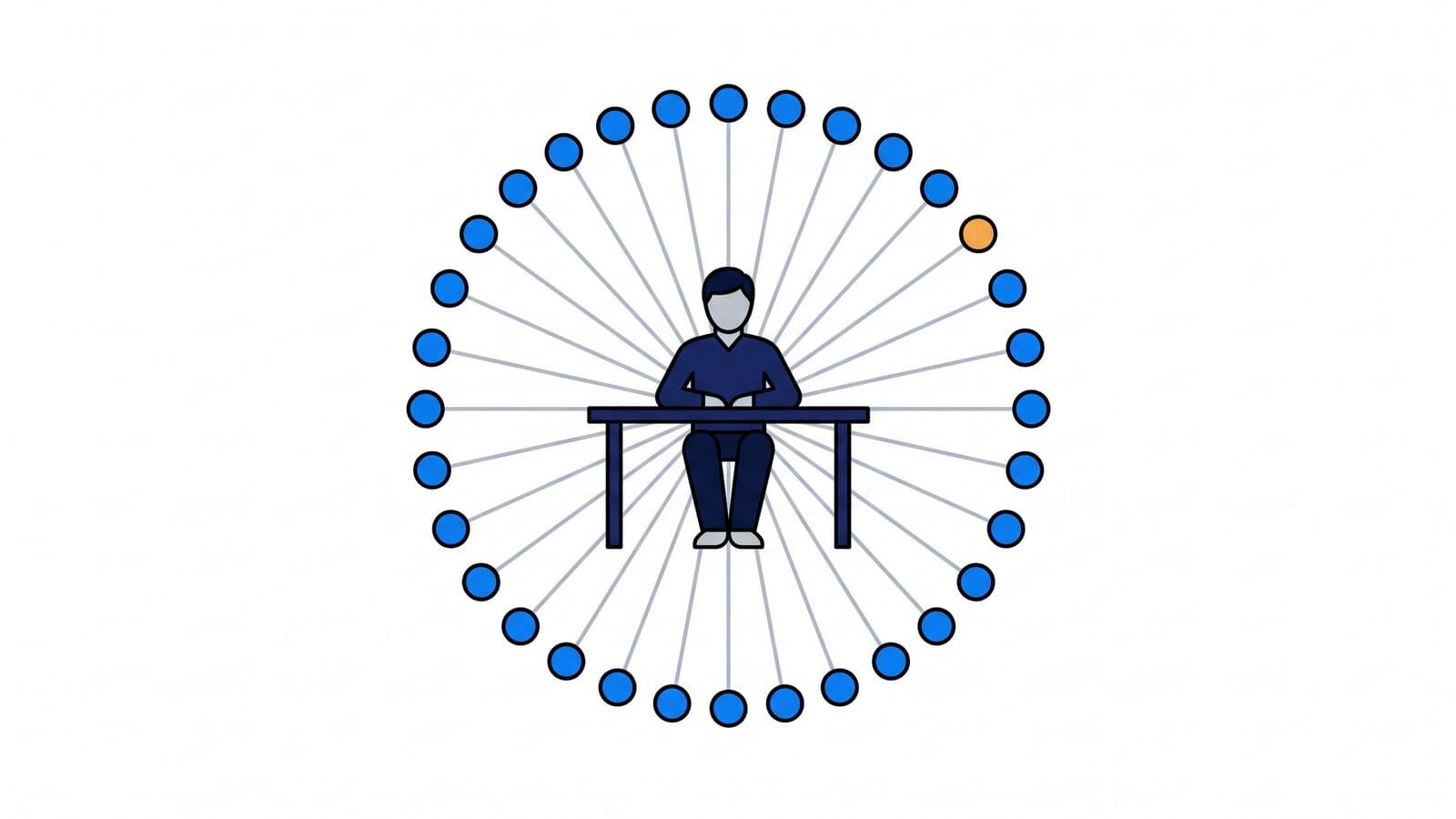
    Edtech sells headcount. I run a governance product for UK schools on my own, with a team of AI agents that prepare everything and decide nothing. Here is how the pipeline works end to end.

  3. Forty-five on the team. This week I let more than half of them go.

    A restructure I had put off for months: how the team got to forty-five, what the overlap was costing, the weekend I spent deciding who stayed, and the part I left out until the end.

  4. Adversarial gates: why my agents check each other's work

    An agent will approve its own output every time. So I never let it. Every agent that produces something has another whose job is to find what is wrong with it, and the last gate is always a person.

  5. I built my own Buffer. It only works because it lives in the CRM.

    A scheduling tool knows when to post. It does not know that a product name was retired last week, that a counting claim is banned, or what schools are doing in March. Mine does, because it sits next to everything the business knows.

  6. Play first, ship second: how side projects become product

    A daily puzzle, a courtside scoring app, and a free prompt library for school staff. None of them were built to make money. All of them changed how I build the thing that does.

  7. How my training catalogue stays current without me

    Help articles that match the live product, explainer films inside them, a teaching skill that checks every claim against Ofsted and the DfE, and a weekly freshness sweep. Current is a property you test, not a promise you make.

  8. I built a school intelligence platform for all of England. Your school could have its own.

    Most of what a school data dashboard shows is published free by the DfE and Ofsted. I built School Intel to put every state-funded school in England in context, rebuilt and checked every week, for almost nothing. Before you renew a dashboard, ask what you are paying for.

Contact

Work with me

Send a message, or pick another route. Every reply comes from me.

Send me a message

I use your name, email address and message only to reply to you. The form sends them to my inbox through an email delivery service, and nothing is stored on this site.